
County of Los Angeles Department of Public Works
Enriching Lives!LACounty.gov
Home | Customers | Resources | About DPW
Search
www.888cleanla.com Site Index
link to smartgardening home page link to general information page
link to workshops and schedules page
link to demonstration centers page
link to main smartgardening home page link to backyard composting page link to worm composting page link to grass recycling page link to water-wise gardening page link to fire-wise gardening page link to additional information page
Backyard Composting Page Backyard Composting
 

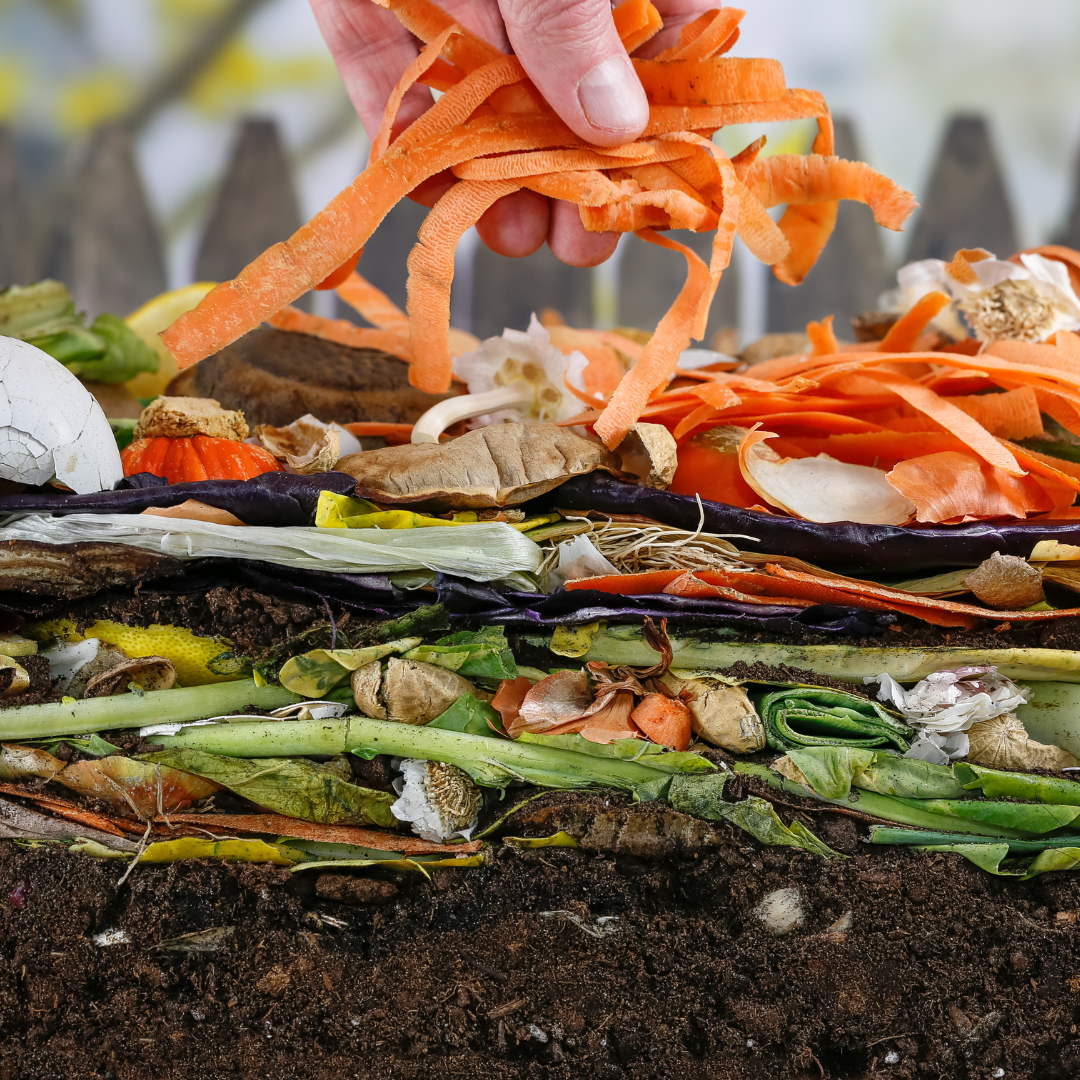
Backyard composting is an attractive, simple method of managing organic wastes at home. It has the advantage of being readily adaptable to fit individual lifestyles, income, yard size, and overall ambition. Backyard composting can be performed by a variety of methods. Typically, these include placing materials in open piles, burying materials in pits or trenches and enclosing materials in drums or bins (e.g., holding bins, turning bins, and worm bins. In order to heat up properly, compost piles should be at least one cubic yard in size. This provides the minimal insulation required to sustain the high temperatures in the center of the pile. Composting units or bins can either be commercial units, or can be simply constructed from inexpensive materials with little carpentry or masonry skills. Click here for information on purchasing a backyard composting bin.

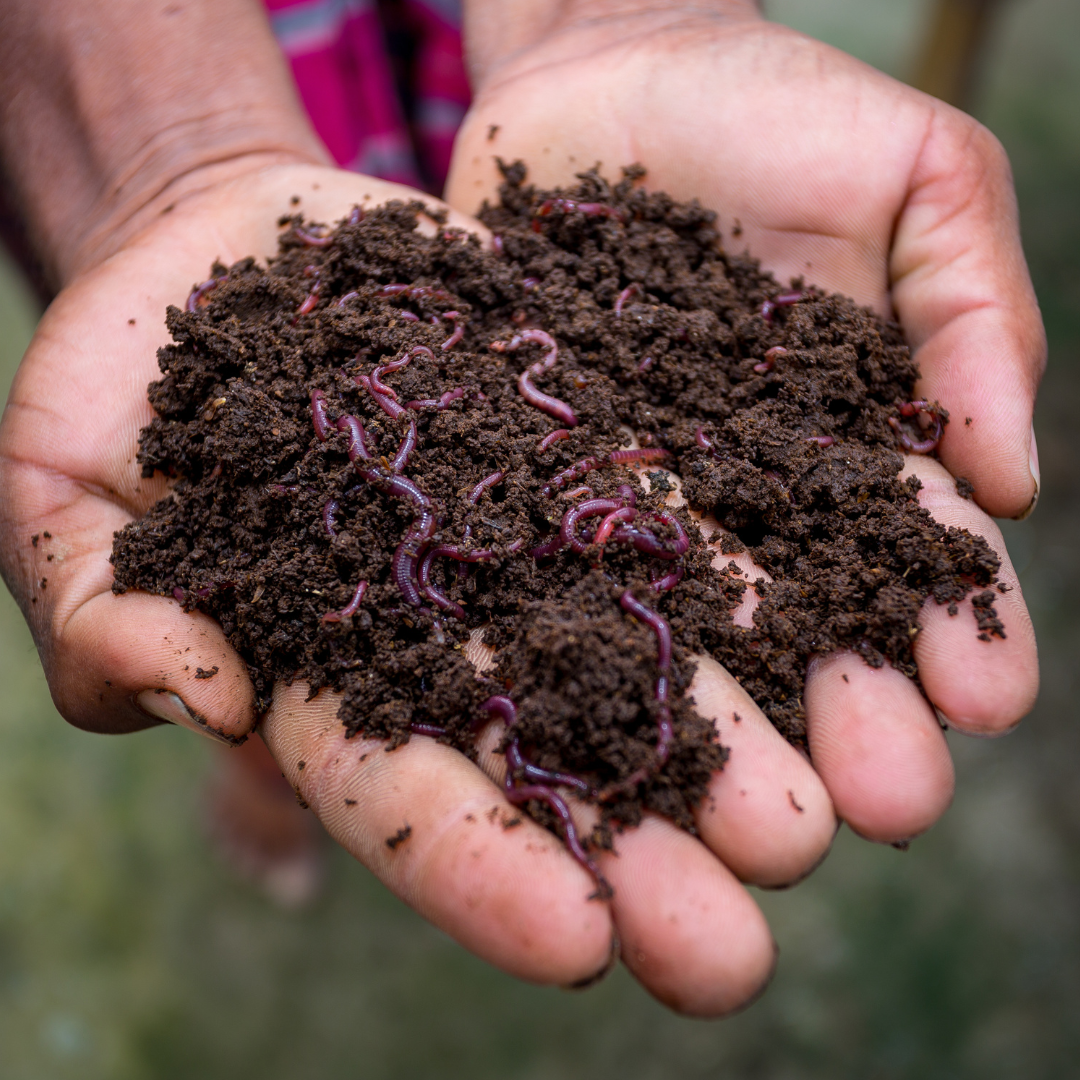
The compost produced by backyard composting is an excellent soil conditioner. It enhances the structure of soil by binding soil particles together. This improves aeration and helps soil to retain water and nutrients. Compost also improves drainage in clay soils and water retention in sandy soils. Compost improves the buffering capacity of the soil and minimizes adverse effects to plants due to extreme shifts in soil pH. Adding compost to soil also attracts earthworms, which aerate the soil and add additional nutrients to the soil. Compost can store nutrients and release them slowly for use by surrounding plants. Although highly beneficial for soil, most composts are not considered fertilizers because they lack the amount of nitrogen necessary to be classed a fertilizer.


woman composting

View additional information.


  Sponsored by the County of Los Angeles
Department of Public Works
Environmental Programs Division
900 S. Fremont Ave, 3rd Floor Annex
Alhambra, CA 91803-1331
Call toll free at 1(888)CLEAN LA

DPW Logo